This may be a weird article. Hopefully, it will answer a question you might have — one that has been on my mind for a long time in my filmmaking journey. If it answers this question, it will also create a whole bunch of new questions I cannot answer at this point. It will give you a starting point, though, for further research.
How do you know, what you should film next? What is there to guide you through your documentary film?
While filming my recent movie projects, I often found myself asking these questions. Usually those projects involved some sort of travel — mainly hiking or skiing. I then often ended up filming everything, having my camera handy at all times. Additionally, some interviews here and there about the trip and the people’s feelings. Beauty shots, drone shots, done.
This approach worked kind of well in the past, but something still didn’t feel right.
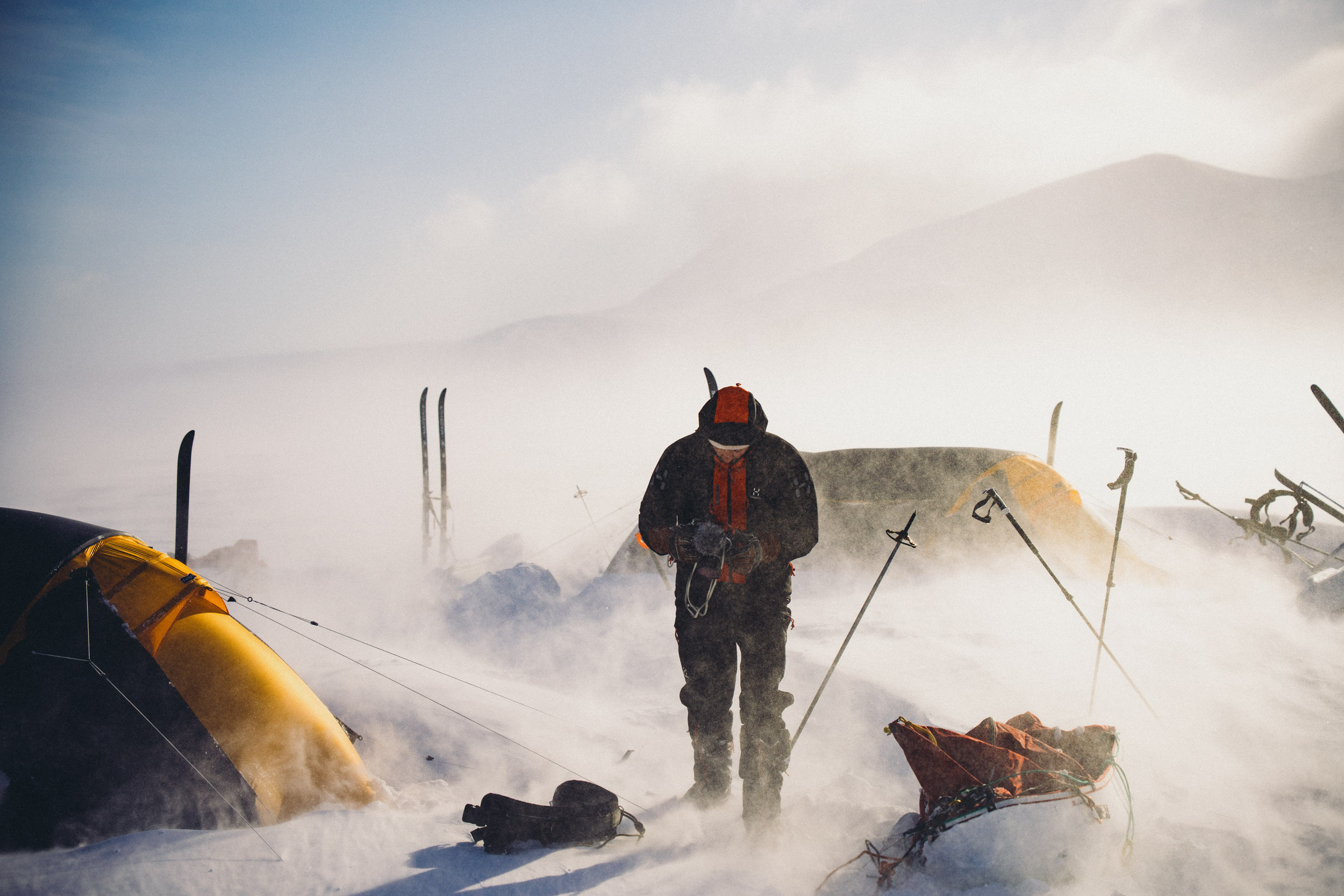
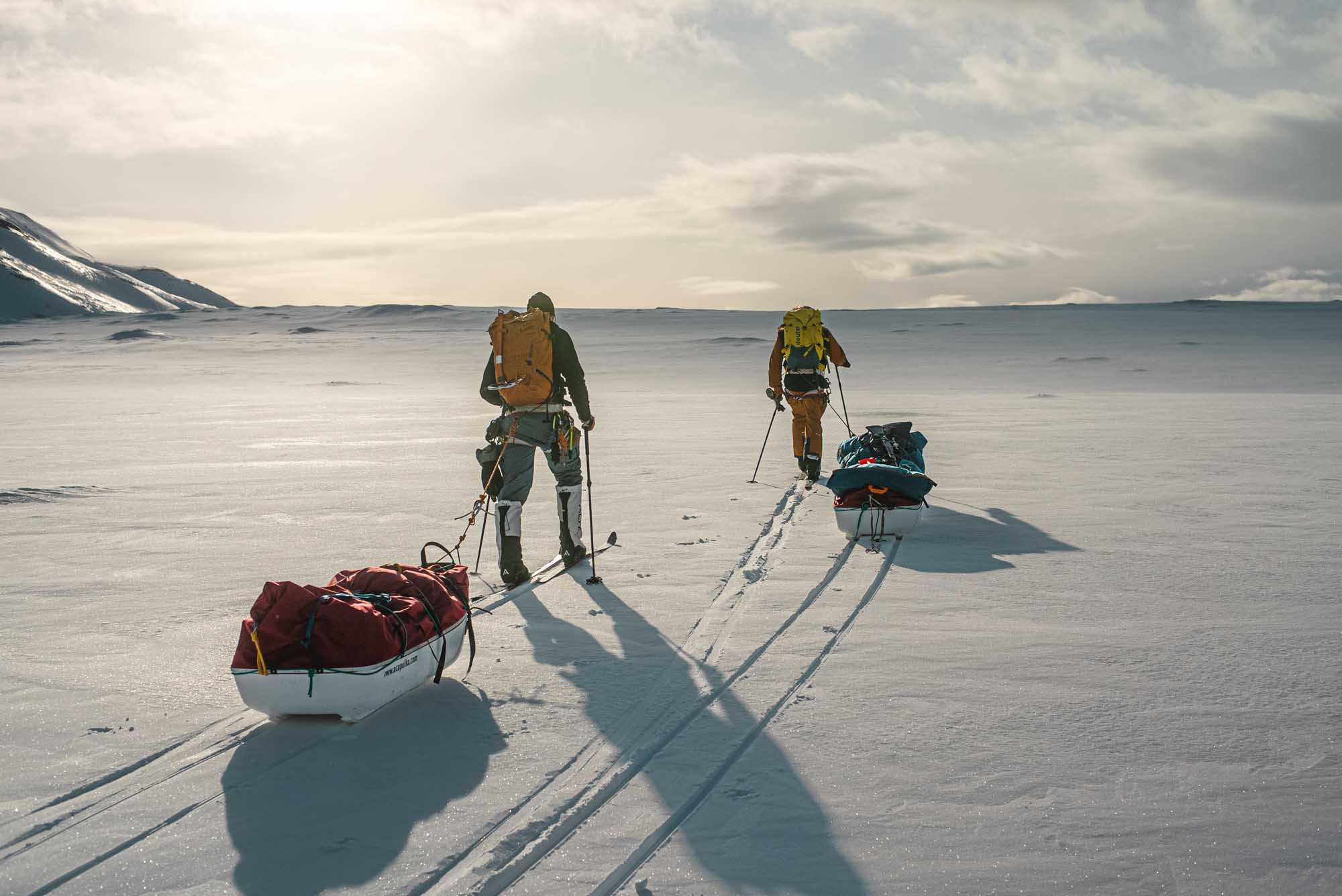
Take my expedition movie “End to End Svalbard.” It’s about seven guys skiing across Spitsbergen from south to north. If you’d ask me “What is this film about?” I’d say: “It’s about seven guys skiing across Spitsbergen from south to north.” But then you might ask: “Ok, but what is it really about…?” I wouldn’t know how to answer that.
Is it about resilience? Self-discovery? Friendship? Maybe all three of them?
Hard to tell. I could argue that there is some resilience in there, for sure. Friendship as well — at least I found new friends on this trip. I wouldn’t say I discovered myself on this trip, but maybe if we interpret this like…
You see where I’m going. In hindsight, I know I was missing something. I was missing a theme. A central dramatic argument.
Now, what is this?
A central dramatic argument is a statement (or a question) around which the whole film evolves.
For my film, it could have been something like “The success of an expedition relies on teamwork” or “You have to leave your normal life in order to value it.” Those arguments could have helped propel the story forward and could have given me ideas about what to look out for, what to film, and what to ask in interviews. A theme could have made “End to End Svalbard” not just a good film, but a brilliant one.
There’s an episode on this topic by Craig Mazin which I highly recommend listening to. He talks about theme in narrative movies, but it works just as well for documentary films. Also, I read a very good article on this topic by filmmaker Noam Kroll.
For me, realizing the importance of a movie’s theme is just the beginning — and it made me realize how much there is to learn.
What are themes you usually structure your films around? Let me know in the comments.
About the author
Moritz Krause
award-winning documentary filmmaker & cinematographer. Specializing in outdoor films and expeditions in extreme environments.
You liked this read?
Subscribe to my irregular Newsletter for exclusive posts and straight-to-inbox delivery 🫰