Reading Time: 4 minutes
Have you ever watched a documentary film and asked yourself “How on earth did they film that? How did they get this shot, at that time, with everything falling into place so perfectly?”.
I have. A lot. I can’t tell you the extensive amount of time I spent on the internet searching for behind-the-scenes content of my favorite movies, reading articles or going through every single Instagram post of the films director of photography to find an image of their setup.
Often I would find myself filming one of my own films, thinking about that one shot from that one movie and I would try to replicate it. It almost never worked.
Take the opening shot of Free Solo as an example. It is so smooth that it looks like the cameraman is operating with some sort of gimbal, or even having the camera on a boom arm. It could also be shot from a drone, although drones are forbidden in this national park.
I was amazed and intimidated at the same time by this shot. It looked so clean, so perfect. I needed to know how they pulled this off.
If I would grab my camera and go to a rock face right now, I am pretty sure that my results won’t look anywhere close to what they filmed.
There were other instances where I wondered how the filmmakers got certain shots; It could be a tracking shot of the main subject—was there a camera operator with a gimbal? A camera car with a crane? Or maybe just a drone?
It could also be a shoot that required a ton of gear at a remote location. I racked my brains trying to figure out how they did it, all while I was filming solo on my project.
Only in recent years I learned what I was missing, and how they (i.e. all other filmmakers) film their films the way they do. Two factors stood out here:
1. Often I would compare my abilities to film things a certain way with a movie/series, that had a big crew. Getting a smooth tracking shot on the water of a dolphin jumping on a 200mm lens is usually filmed with the camera on a crane, mounted to a boat, with a dozen people around to pull this off. Replicating this alone will most likely be close to impossible. I came to realize, that if I don’t have the big crew needed to get a specific shot, I would need to think about how I can do that on my own. Maybe with gear I’ve never heard of before. Or using a different or a smaller camera. Or I need to alter the idea I had in my mind a bit to make it work.
2. I often skipped the planning and experimenting stage. Usually, when I wanted to replicate scenes or shots I’ve seen, I would go to a certain location, get out my camera and film. In 99% of the time I did not get what I wanted, so I bailed and said to myself that they must have had better cameras, or better gear, or they somehow tricked the system. But in reality it’s actually really simple: they tried new things, they experimented, and they probably failed, and then tried again. And that takes a lot of time. Take the example of Free Solo: the camera crew was able to try and experiment for years on that wall while filming Alex training. Finally, the day of the main climb arrived, and the crew was ready, having already spent hundreds or even thousands of hours filming this very scene.
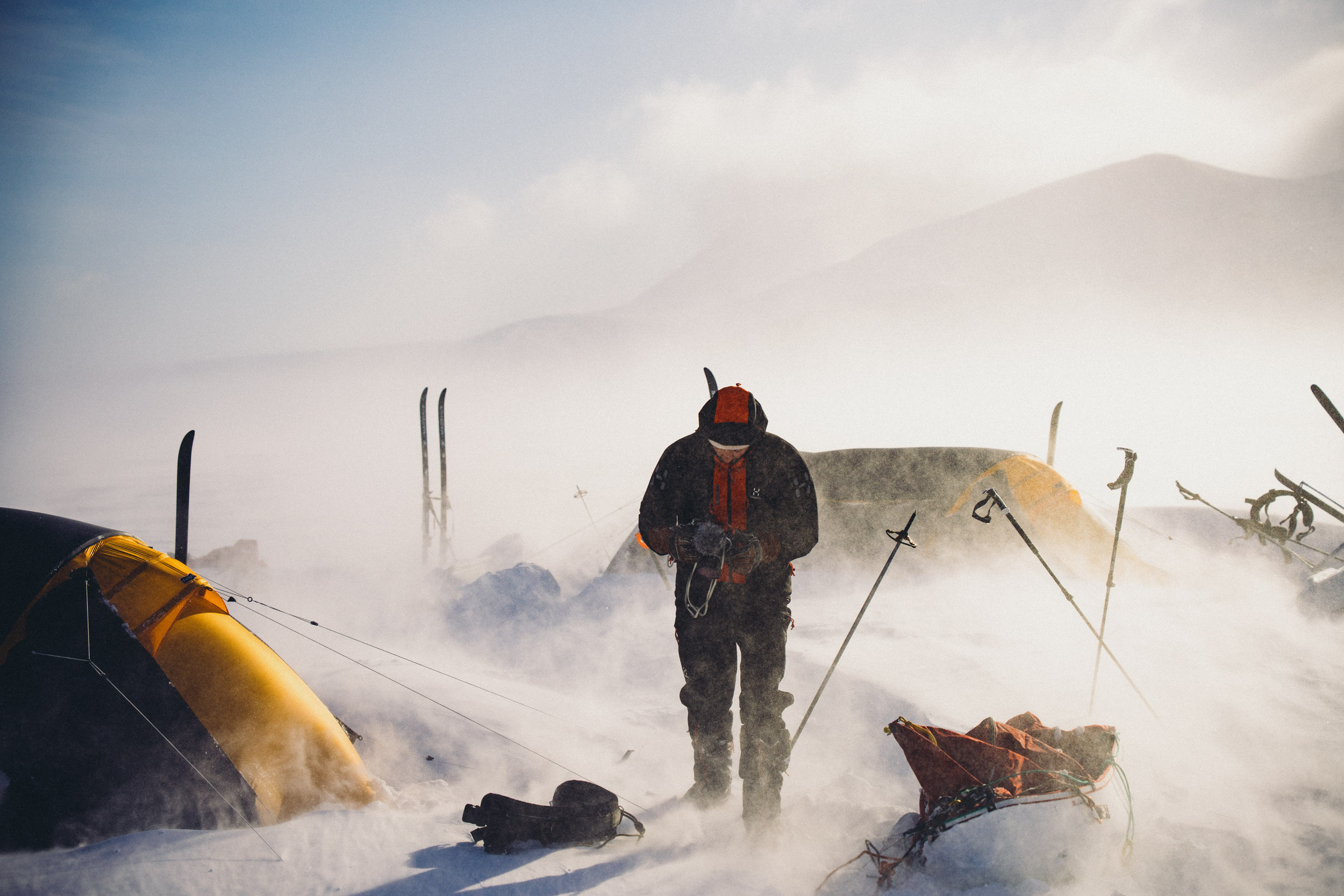
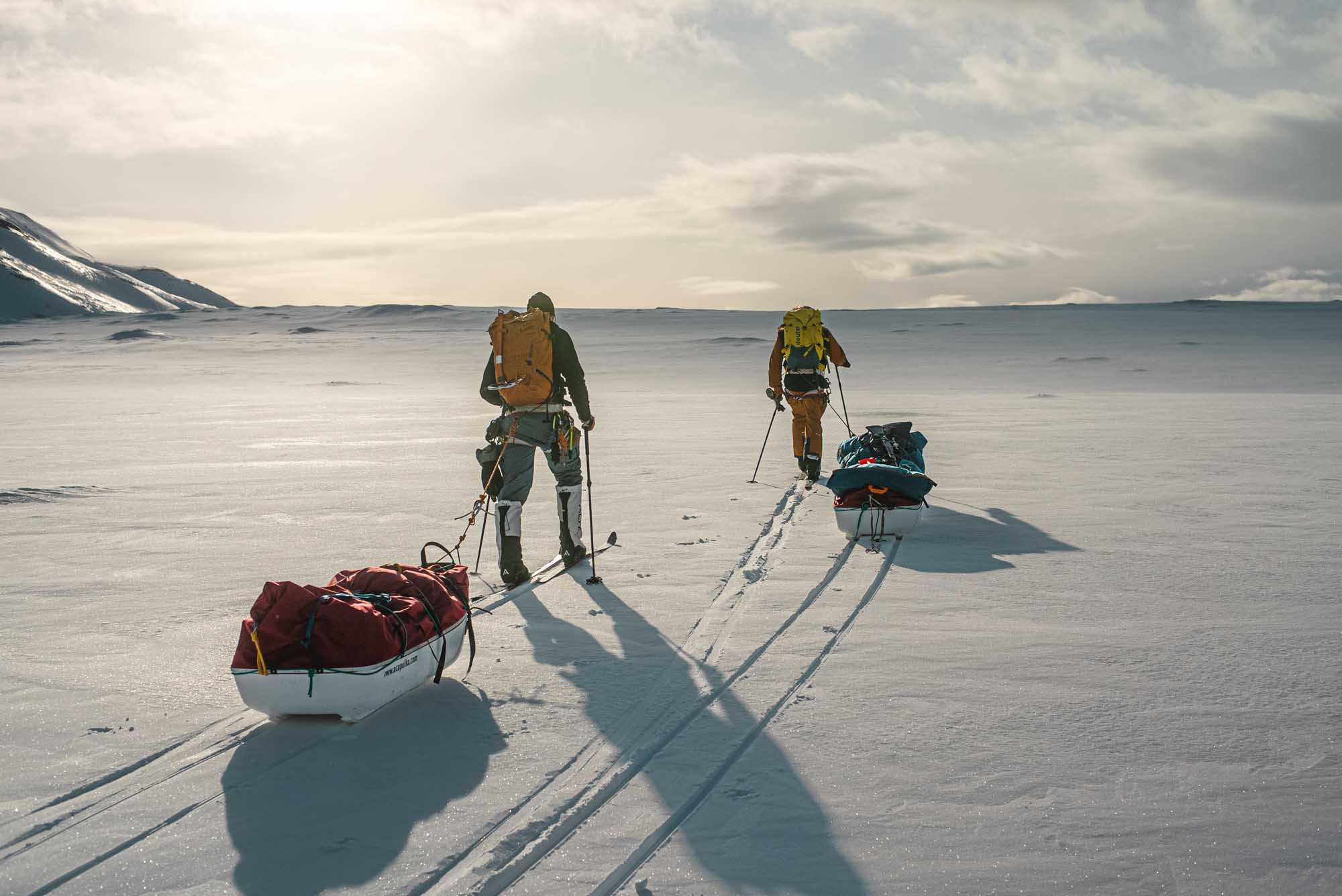
A real revelation for me was the power supply on our Svalbard Expedition in 2023. I needed to supply the whole crew including all my camera gear with electricity, for 40 days in a row, completely off the grid. I did not find any solution online or elsewhere that was powerful, reliable and lightweight at the same time. Plus, it needed to be suitable for air travel.
The only solution I saw was to build my very own powerbank. I won’t go into details here, but it consisted of nine single 99 Wh batteries (so I could take them on a plane) and it was relatively lightweight compared to other powerbanks with this capacity. It took me three months to assemble and test this, but in the end it worked and got us through this expedition.
Maybe it wasn’t the best method. It was probably not the cheapest nor the least dangerous (building batteries can sometimes lead to wild explosions). It definitely wasn’t the easiest method. But in the end it was the method that worked for me, and that’s all that counts.
With this in mind I approach my shootings different now. All I am thinking is the end result I want to accomplish, and the steps I need to go there. Sometimes this may be similar to what other people do, and sometimes I might find a completely new way of filming. There is no right or wrong way, just my way. And usually the best shots are built in the planning stage.
I still go through all the behind-the-scenes of my favorite shows though, just because I’m generally extremely interested in how other people work, and sometimes that gives me inspiration for new ideas.
In some cases though, especially with shots that require multiple elements to fall into place with perfect timing, there’s no amount of planning you can do to pull this off. It’s just luck.
About the author

Moritz Krause
award-winning documentary filmmaker & cinematographer. Specializing in outdoor films and expeditions in extreme environments.
You liked this read?
Subscribe to my irregular Newsletter for exclusive posts and straight-to-inbox delivery 🫰